
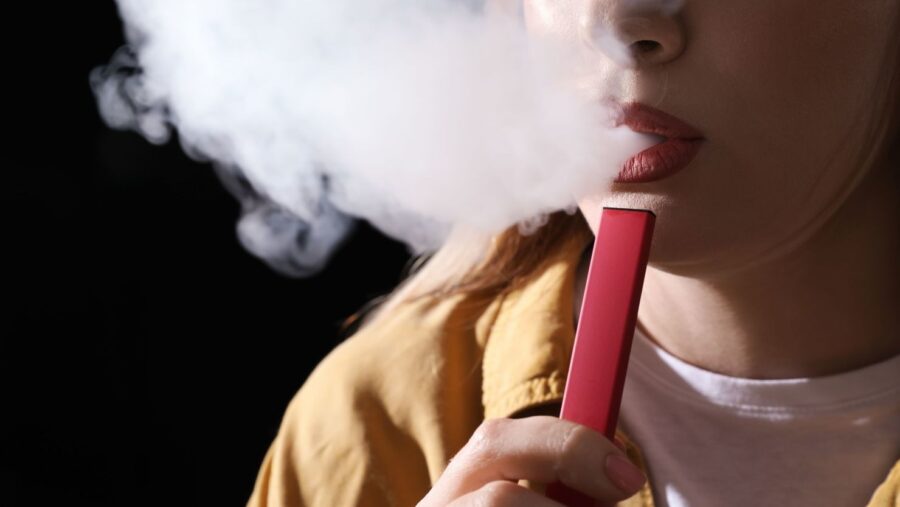
Indoor air studies have shown that vaping can quickly increase the number of tiny airborne particles in a room.
In controlled experiments, ultrafine particle concentrations rose from roughly 6.5 × 10³ to more than 4.0 × 10⁴ particles per cubic centimeter during a short indoor vaping session, showing how easily aerosol can accumulate in enclosed spaces.
Secondhand aerosol exposure occurs when people nearby inhale particles exhaled by someone using an e cigarette.
Unlike traditional smoking, vaping does not involve combustion, but it still produces an aerosol made of microscopic droplets and gases.
These particles can alter indoor air quality and remain suspended long enough for others in the room to inhale them.
Understanding how these aerosols behave indoors helps explain why ventilation, room size, and exposure time play such an important role in determining risk.
Key Factors That Influence Indoor Exposure
Indoor exposure to aerosol depends on several environmental conditions. Even small differences in airflow or room size can change how quickly particles disperse.
| Factor | Why It Matters |
| Indoor ventilation | Determines how quickly aerosol particles are diluted |
| Number of vapers | More users increase total particle emissions |
| Room size | Larger spaces dilute aerosol more effectively |
| Exposure time | Longer presence increases inhalation probability |
Rooms with limited ventilation often allow particles to accumulate more easily. When fresh air exchange is slow, suspended droplets may remain airborne for longer periods.
Another variable is human behavior. Frequency of vaping, number of users, and device power levels all influence how much aerosol enters the indoor environment.
What Happens When Vape Aerosol Enters Indoor Air

When a vaping device heats liquid, it produces a cloud of microscopic droplets and gases that users inhale and then exhale into the surrounding environment.
Those exhaled particles are what create secondhand aerosol exposure.
In enclosed environments, these particles can remain suspended in air for extended periods.
Research on indoor air quality shows that electronic cigarette emissions introduce fine and ultrafine particles into indoor environments, which may affect bystanders who inhale the surrounding air.
Understanding indoor exposure is not only relevant to vaping research. Indoor environments influence respiratory performance in many everyday contexts.
People who monitor exercise intensity using tools like Heart Rate Zones often pay attention to breathing efficiency, airflow, and air quality.
These same environmental factors can influence how aerosol particles disperse and how easily they are inhaled indoors.
Indoor aerosol behavior depends on several physical variables:
- air circulation and ventilation rates
- room size and ceiling height
- number of active vape users
- duration of the vaping session
When ventilation is limited, suspended particles can remain airborne longer and travel farther across a room.
What Secondhand Vape Aerosol Contains
When an e cigarette heats liquid, it creates a cloud of microscopic droplets and gases. These particles form the visible vapor that users inhale and exhale.
Scientific analyses show that secondhand aerosol may contain several categories of compounds:
- nicotine released from the heated liquid
- ultrafine particles composed of condensed droplets
- volatile organic compounds such as benzene and toluene
- heavy metals including nickel and lead
- flavoring chemicals used in e liquids
Laboratory research has detected these substances in both mainstream and exhaled aerosol samples.
Many of these particles are extremely small. Some fall within the nanometer range, meaning they can penetrate deeply into the respiratory system when inhaled. The aerosol also contains components from propylene glycol and vegetable glycerin, the main solvents used in many e liquids.
Important scientific note: Studies consistently report that the concentration of many toxic compounds in vaping aerosol is generally lower than in tobacco smoke, although the emissions are not completely harmless.
Indoor Particle Levels During Vaping Sessions
Air quality monitoring studies have measured how particle concentrations change during vaping events. In controlled experiments conducted inside enclosed rooms, researchers observed clear increases in ultrafine particle levels when devices were used.
One experimental study measured aerosol concentrations in a 49 cubic meter room while volunteers used different e liquids. The researchers detected large increases in airborne ultrafine particles during the vaping sessions compared with background levels.
Because many of these particles are extremely small, they can irritate sensitive tissues in the respiratory system, including the throat.
Some individuals report throat dryness or irritation after exposure to vape aerosol, especially in poorly ventilated indoor spaces.
People experiencing these symptoms may look for practical ways to relieve discomfort, such as those explained in How to Cure Sore Throat from Vaping, which discusses common causes of throat irritation and simple steps that may help reduce symptoms.
To understand the scale of change, consider a simplified comparison:
| Condition | Ultrafine Particle Levels |
| Normal indoor background | low particle concentration |
| During vaping session | sharp increase in particle counts |
| After ventilation | gradual decline toward baseline |
These levels still remain lower than those generated by burning cigarettes. However, the increase shows that vaping activities can measurably influence indoor air quality.
What Research Says About Health Implications
Scientists are still evaluating the health implications of secondhand aerosol exposure. Current evidence focuses mainly on short term biological responses rather than decades long health outcomes.
Existing research suggests several potential effects associated with inhaling aerosol particles.
- irritation of the respiratory tract
- aggravation of asthma or existing lung conditions
- measurable nicotine exposure in nearby individuals
One controlled study detected airborne nicotine concentrations between 0.82 and 6.23 micrograms per cubic meter in indoor environments where e cigarettes were used.
Researchers emphasize that these values are much lower than nicotine levels generated by combustible cigarettes. Even so, the presence of nicotine in indoor air confirms that bystanders can absorb chemicals emitted from the device.
The scientific consensus at present is cautious. Evidence indicates measurable exposure, yet the long term health consequences remain under investigation.
Who May Be More Sensitive to Indoor Exposure
Not all individuals respond to airborne particles in the same way. Certain populations tend to be more sensitive to changes in air quality.
Groups often considered more vulnerable include:
- children whose lungs are still developing
- pregnant women exposed to nicotine or chemical vapors
- people with asthma or chronic lung disease
- individuals with cardiovascular conditions
Young children, for example, inhale more air relative to their body size compared with adults. This physiological difference may increase exposure to airborne particles in indoor environments.
Health researchers often recommend extra caution around these groups because even low concentrations of airborne pollutants may trigger symptoms.
Final perspective
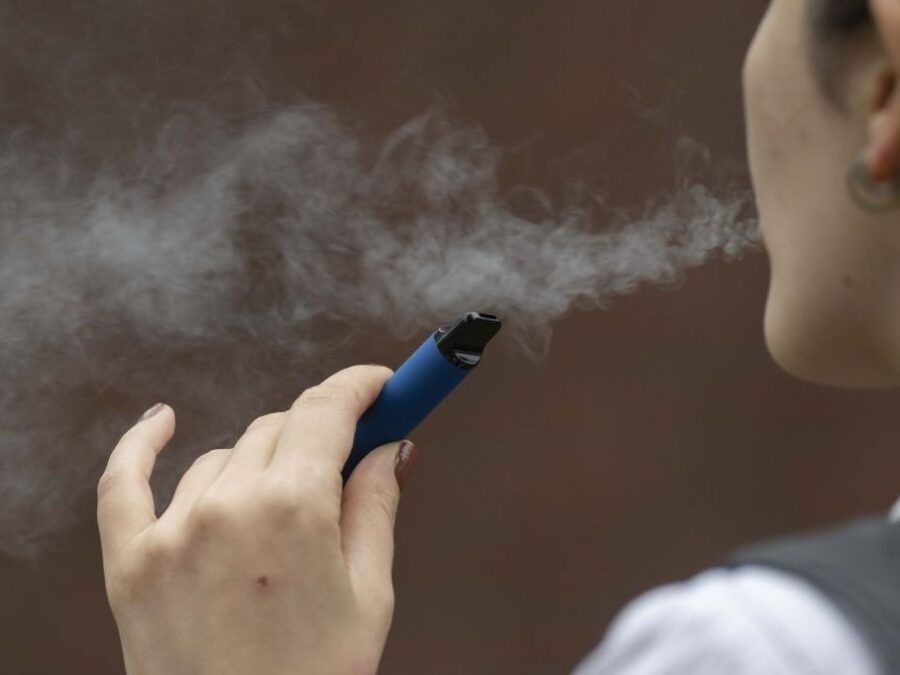
Secondhand aerosol exposure has become an important topic in indoor air research as vaping devices become more common. Electronic cigarettes produce an aerosol containing particles and chemical compounds that can enter the surrounding air when users exhale vapor.
Research shows that indoor vaping can increase levels of ultrafine particles and introduce substances such as nicotine and volatile compounds into the air.
Although these emissions are generally lower than those produced by combustible cigarettes, measurable exposure can still occur in enclosed spaces, particularly when ventilation is limited. Scientists continue studying how vaping aerosols behave indoors and what the long term health implications may be.
Improving ventilation and limiting vaping in enclosed spaces remain practical steps that can reduce indoor exposure for people sharing the same environment.